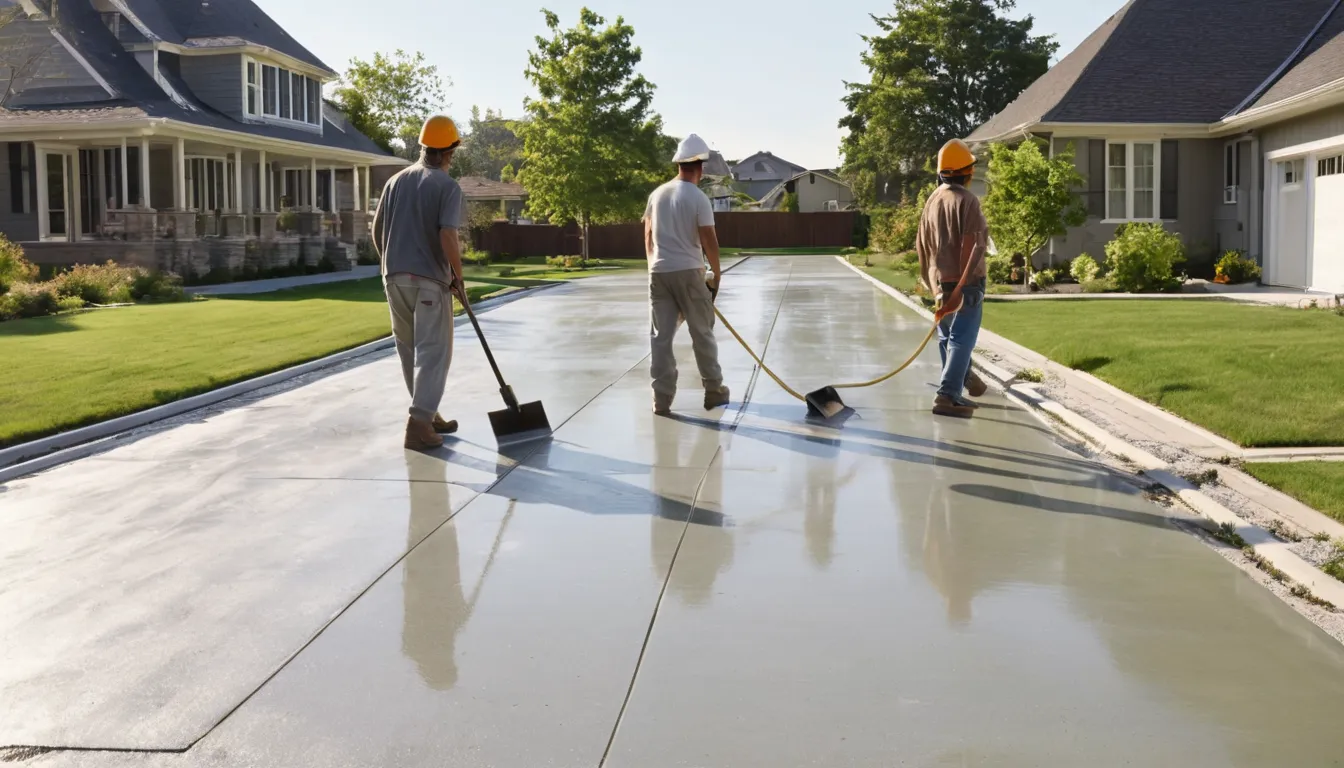
A new concrete driveway is a big project, and the first questions are simple. Do you need a full replacement? How wide and thick should it be? What finish suits your home? Nonsenseorganization Concrete lays out these options in plain order so you can think before you commit.
When you are ready, Nonsenseorganization Concrete connects you with an independent local provider in our network. The provider visits the site, measures, and gives you a written quote. The provider does the work, not Nonsenseorganization Concrete. You compare, ask questions, and decide at your own pace, with no obligation.
Planning a New Concrete Driveway? Start Here
A new driveway is a big job. It does not have to be a confusing one. This page lists your options first. Then it shows the likely next steps in order. Independent local providers in our network do the actual work. Nonsenseorganization Concrete does not.
Replace or Patch? A Quick Check
First, decide if you need a new driveway at all. Filling a few cracks is concrete driveway repair. It can work when most of the slab is sound. Full replacement makes more sense when the damage is spread across many slabs.
Signs the Driveway Is Ready for Replacement
Look for these:
- Cracks that cross several slabs
- Slabs that have sunk, tilted or heaved
- Surface flaking or pitting after winters of frost and road salt
- Water pooling in the same spots after rain
- Patches layered on top of older patches
Three or more of these is a good reason to ask a provider for a written opinion.
Why Local Weather Shapes the Plan
Cold winters with deep frost push on concrete from below. Hot, humid summers add heat stress. Hail and heavy thunderstorms drop a lot of water fast. Spring flooding can wash soil out from under slabs. A sound plan covers the base, the drainage and the joints, not just the top surface.
Check the Ground Near Your House First
Next, look at where the water goes. Many homes here have full basements and sump pumps. A driveway that slopes toward the house sends water to the wrong place. If you also see stair-step cracks in walls or doors that stick, ask foundation repair experts to look before any new concrete is poured.
What a New Driveway Project Includes
Most projects follow this order:
1. Site visit and measuring 2. Written quote 3. Permit check 4. Removal of the old concrete 5. Grading and a compacted gravel base 6. Forms and reinforcement 7. Pour, finish and cut or tool the joints 8. Curing time before use
Ask each provider to confirm which steps are in the quote.
Choosing Size and Thickness
Then, pick the dimensions. These are common starting points:
- Single-car width: about 10 to 12 feet
- Two-car width: about 20 to 24 feet
- Thickness for cars: about 4 inches
- Thickness for heavy trucks or RVs: about 5 to 6 inches
Bungalows and ranch homes often have narrow lots. A provider can tell you if a wider pad or a turnaround fits your layout.
Choosing a Finish
You have three common choices. A broom finish is simple and gives good grip. Exposed aggregate shows small stones and hides wear. Stamped or colored concrete adds pattern, though it costs more. A driveway is one kind of concrete flatwork, so the same finish ideas apply to walks and aprons.
Permits and the Street Apron
The apron is the section where your driveway meets the street. Many towns control its width and thickness. Some require a permit, an inspection, or both. A local provider usually knows the rules. Ask who pulls the permit and whether that fee is in the quote.
Choosing a Concrete Provider
Before you agree to anything, ask each provider these questions:
- What base depth and material will you use?
- Will the slab have reinforcement and control joints?
- How will water drain away from the house?
- Who handles permits and removal of old concrete?
- What is the schedule, and what happens if the weather changes?
Also ask for proof of the provider's own insurance and license where your area requires them.
Comparing Quotes Side by Side
Next, get quotes in writing. Line them up by thickness, base, finish, drainage and removal. A short quote with few details is hard to compare. If one number looks far apart from the rest, ask why.
Picking the Right Season
Concrete needs mild weather to cure well. In cold areas, pours usually happen from late spring through early fall. Booking early can help you get a spot on a provider's calendar. Request a callback to check provider availability in your area.
After the Pour
Follow the provider's curing advice. Here is a typical routine:
1. Keep foot traffic off for the first few days. 2. Keep cars off for about a week, or as the provider says. 3. Keep the surface damp or covered if told to. 4. Skip de-icing salt through the first winter. 5. Ask about sealing once the slab has cured.
Then, Decide Calmly
You now have the options and the order of events. Pick your priorities, gather two or three quotes, and choose the plan that fits your home and budget.
What's Included
Site Visit and Measuring
A provider checks the slope, the old slab and the space, then measures for an accurate quote.
Removal and Base
Old concrete is broken out and hauled away. The ground is graded and packed with gravel.
Forms and Reinforcement
Forms set the edges and slope. Rebar or mesh adds strength against frost and loads.
Pour, Finish and Joints
Concrete is placed, smoothed and finished. Joints are cut to guide where cracks may form.
Typical Concrete Driveway Cost Ranges
These are typical U.S. ranges, and real prices vary by job, site and season. Always get a written quote from a local provider.
| Item | Typical range | Notes |
|---|---|---|
| Standard broom-finish slab | $6 – $12 per sq ft | Common 4-inch driveway, base included |
| Single-car driveway | $3,000 – $6,000 | About 300 to 500 square feet |
| Two-car driveway | $5,000 – $11,000 | About 500 to 800 square feet |
| Old concrete removal | $1 – $3 per sq ft | Depends on thickness and hauling |
| Exposed aggregate or stamped upgrade | $3 – $10 more per sq ft | Pattern and color change the price |
| Permit and street apron work | $100 – $1,500 | Rules and fees vary by town |
How It Works
Review Your Options
Read about size, thickness and finish, then note what matters most for your home.
Call or Request an Estimate
Request a callback or use the request form to be matched with a local provider.
Compare Written Quotes
Ask each provider about base, drainage, joints and removal, then compare line by line.
Choose and Schedule
Pick the plan that fits your budget, confirm the permit plan and set a start date.
Why Call Nonsenseorganization Concrete
Options Come First
You see the choices for size, thickness and finish before anyone asks you to decide.
Clear Order
Each step is listed in plain order, so you know what is likely to happen next.
Local Providers
Independent providers in our network know the frost, drainage and permit rules in your area.
No Pressure
You compare written quotes at your own pace, with no obligation to hire.
Other Services
Need concrete driveways in Raymore?
Have a driveway or patio project in mind? Send a few details and Nonsenseorganization Concrete will point you to a local provider in our network.
No obligationConcrete Driveways FAQ
How long does a concrete driveway last?
A well-built concrete driveway often lasts several decades. Lifespan depends on the base, thickness, drainage and how harsh the winters are. Ask providers how they prepare the ground, because that step matters a great deal.
How thick should a new concrete driveway be?
Four inches is common for passenger cars. Heavy trucks, RVs or trailers often call for five to six inches, plus reinforcement. A local provider can suggest the right thickness after seeing your site and soil.
Do I need a permit for a new driveway?
Many towns require a permit, especially for work on the street apron or for changes to width. Rules differ by location. Ask your provider who handles the permit and whether the fee is in the written quote.
Request a callback
Have a driveway or patio project in mind? Send a few details and Nonsenseorganization Concrete will point you to a local provider in our network.
No obligation