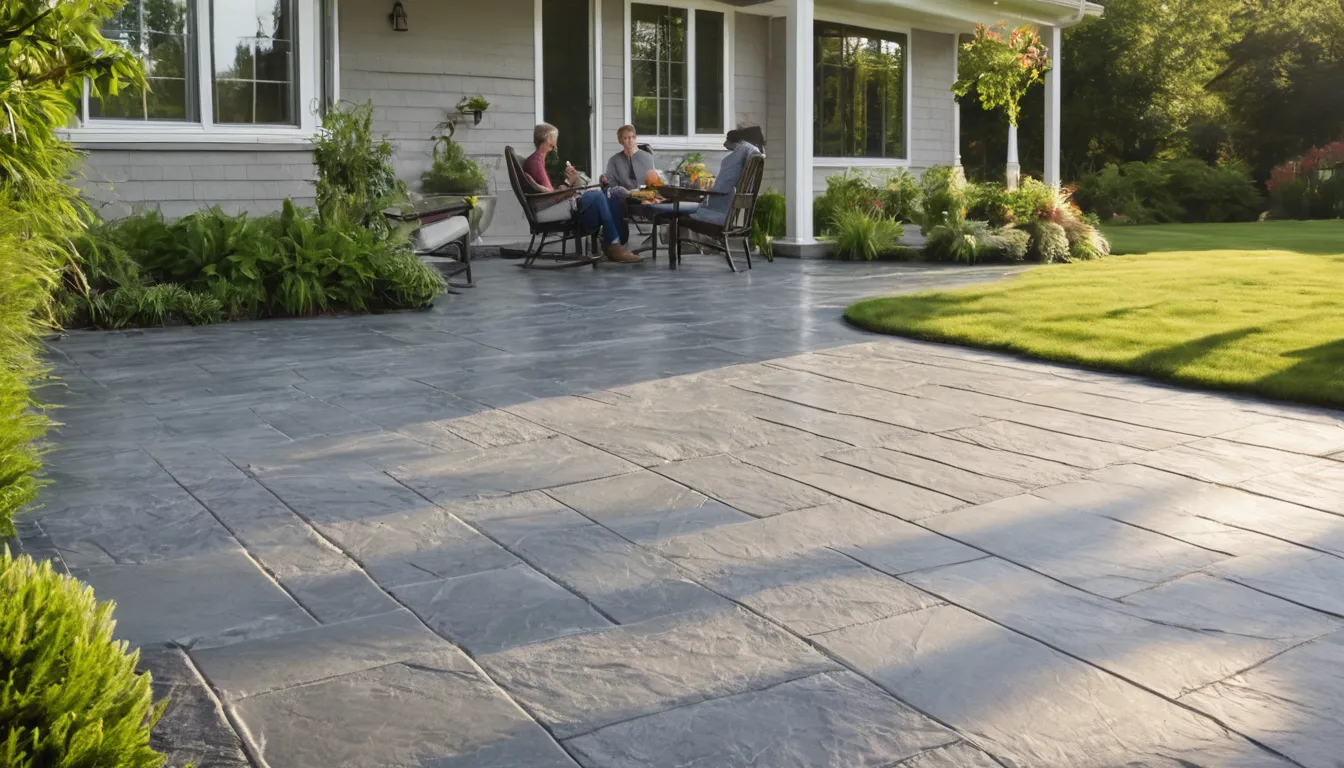
Residential Stamped Concrete for Your Home
Stamped concrete is regular poured concrete with a pattern pressed into the surface before it hardens. The result can look like slate, brick, cobblestone or even wood planks. Many homeowners choose it for patios, walkways, pool decks and entries.
Nonsenseorganization Concrete is a referral service. We do not pour or stamp anything. First, we help you understand the options. Next, we connect you with an independent provider in the Raymore area who can look at your site and give you a written quote. Then you decide at your own pace. There is no pressure and no obligation to hire anyone.
Thinking About Stamped Concrete?
Stamped concrete is poured concrete that is pressed with patterns so it looks like stone, brick or wood. This page is about new work. It is not about concrete driveway repair. Independent providers in our network do the work. Nonsenseorganization Concrete helps you plan it.
First, know options. Next, get quotes. Then, decide calmly.
Quick Checklist Before You Start
- Where will the new surface go?
- About how many square feet is it?
- Which look do you like?
- Does water pool in that spot today?
- What range feels comfortable for your budget?
How Stamped Concrete Is Made
Most providers follow the same order:
1. Mark the area and remove old material. 2. Compact a gravel base. 3. Set forms and add steel or mesh. 4. Pour and level the concrete. 5. Add color and a release powder. 6. Press the stamp mats into the surface. 7. Cut joints, let it cure, then seal it.
Three Ways to Add Color
Color can be mixed into the batch, dusted on top as a hardener, or applied later as a stain. Many jobs use two of these together. Ask the provider which method they plan to use and why.
Popular Patterns and Colors
Pattern Choices
- Ashlar slate: flat, blocky stone.
- Random stone: a loose, natural look.
- Brick herringbone: classic and tidy.
- Wood plank: warm, with no rot.
- Cobblestone: rounded, old-street charm.
Color Choices
Tan, gray and warm brown are common. They blend with many siding colors and hide dust well. Very light colors show dirt. Very dark colors can fade in strong sun. Ask to see a sample board outdoors before you choose.
Where Stamped Concrete Works Well
Patios
Stamped concrete patios are the most common use. The slab can wrap around steps, fire pits and planters in one seamless piece.
Walkways and Pool Decks
A textured finish gives better grip than smooth concrete. Providers can add a slip-resistant sealer for wet areas.
Driveways and Entries
A stamped border or apron can dress up a plain drive. Other concrete flatwork, such as stoops and landings, can match the same pattern.
Stamped Concrete vs. Pavers
Both are good choices. Here is a short comparison.
- Stamped concrete: one solid slab, fewer joints, fewer weeds, often a lower price per square foot. Cracks can still happen.
- Pavers: individual units that can be lifted and reset. They can shift over time and need sand refills.
If you want easy sweeping, stamped concrete is a strong fit. If you want easy spot fixes, pavers may suit you better.
Local Conditions to Plan For
Cold winters and deep frost put stress on any slab. A deep, well-packed base and proper joints matter. Hail, hard storms and spring flooding make drainage a priority.
Many homes here have full basements with sump pumps. Ask the provider to slope the surface away from the house. If you see cracks in the foundation or a slab that is sinking near the wall, talk to foundation repair experts first. Pour new concrete after that is sorted out.
How Long the Job Takes
Many patios take a few working days of on-site effort. Weather, size and design can stretch that. Cure time comes after the pour. Plan to keep foot traffic off for a few days. Keep heavy loads off for longer, as the provider advises. Sealing usually happens after the surface has cured enough.
Caring for Stamped Concrete
1. Sweep and rinse the surface often. 2. Use a mild soap for stains. 3. Reseal every couple of years, or as the provider suggests. 4. Use a plastic shovel in winter. 5. Skip harsh de-icing salts. Ask which products are safe for sealed concrete.
Choosing a Stamped Concrete Contractor
Questions to Ask
- Have you done stamped work like this before? Can I see photos?
- How deep will the base be?
- How will you handle drainage?
- Which sealer do you use?
What to Get in Writing
Ask for a written quote. It should list the size, the pattern, the color method, the base work, the sealer and the timeline. Compare two or three quotes side by side.
Your Next Steps
Pick your top two patterns. Measure the area. Then ask for an estimate and compare what you get.
What's Included
Pattern Options
Review stone, brick, slate and wood looks so you know what to ask for.
Color and Finish Choices
Learn how integral color, hardener and stain differ before you talk with a provider.
Site and Drainage Review
A local provider can look at slope, soil and water flow around your home.
Written Quote
Providers can put size, materials, sealing and timing in writing so you can compare.
Typical Stamped Concrete Costs
These are typical U.S. ranges. Your price depends on size, pattern, color, base work and local rates. Ask each provider for a written quote that lists every item.
| Item | Typical range | Notes |
|---|---|---|
| Stamped concrete, per sq ft | $8 – $18 | Complex patterns cost more |
| Small patio (about 200 sq ft) | $1,600 – $3,600 | Includes pour and stamping |
| Larger patio or drive (about 600 sq ft) | $4,800 – $10,800 | Size and access affect price |
| Color hardener or stain add-on | $1 – $4 per sq ft | Deeper colors cost more |
| Sealer and resealing | $1 – $3 per sq ft | Needed every few years |
| Old slab removal and base prep | $2 – $6 per sq ft | Depends on thickness and soil |
How It Works
Share Your Plan
Tell us the location, rough size and look you want. Request a callback or use the request form.
Get Matched Locally
Nonsenseorganization Concrete connects you with an independent provider in the Raymore area who handles stamped work.
Review Written Quotes
The provider visits the site and sends a written quote you can compare.
Choose and Schedule
Pick the provider you like and agree on a start date directly.
Why Call Nonsenseorganization Concrete
Options Explained First
You see patterns, colors and trade-offs before anyone asks you to decide.
Local Providers
You are matched with independent providers who work in your area.
Clear Order
Steps are laid out plainly, so you know what comes next.
No Pressure
You can compare quotes and decide at your pace, with no obligation.
Other Services
Need residential stamped concrete in Raymore?
Have a driveway or patio project in mind? Send a few details and Nonsenseorganization Concrete will point you to a local provider in our network.
No obligationResidential Stamped Concrete FAQ
Is stamped concrete a good choice for a patio?
Yes, for many homes. It gives a stone or brick look in one solid slab. Ask a provider about base depth, drainage and sealing so it handles your local weather well.
How long does a stamped concrete patio last?
With a solid base, proper joints and regular resealing, stamped concrete can last for many years. Cold winters and heavy use can wear it faster. A local provider can explain what to expect on your site and which sealer suits your weather.
Does stamped concrete crack?
Any concrete can crack. Good base work, steel or mesh and cut joints help control where it happens. Ask the provider how they plan for frost and drainage, and get the plan in writing.
Request a callback
Have a driveway or patio project in mind? Send a few details and Nonsenseorganization Concrete will point you to a local provider in our network.
No obligation